How to Spot Caller ID Spoofing and Avoid Phone Scams
A practical guide to treating caller ID as unverified, checking claims independently, and responding safely to suspected phone scams.

How to Spot Caller ID Spoofing and Avoid Phone Scams
Prerequisites
A calm moment to end or pause a call. You do not have to decide or act while someone is pressuring you.
A trusted way to look up the organisation’s contact details independently, such as its official website or a number on a statement or bank card.
Your phone provider’s usual channel for reporting unwanted or suspicious calls, if you want to report one.
You do not need a special app or test to decide whether to trust a call. A displayed name or number is not proof of who is calling. Caller ID may be spoofed, but a number can also be genuine and misused by scammers. In an NRK investigation, the operator said the calls it examined showed no sign of spoofing, while NRK reported that Norwegian numbers were being used for suspected fraud. That distinction matters: a familiar-looking number can still be connected to a scam, and the display alone cannot settle the question. NRK’s report
Steps to handle a suspicious call
Pause and listen for pressure. Be cautious if a caller insists you must act immediately, keep the call secret, move money, invest, or install software. Pressure is a warning sign, not proof by itself.
Do not share sensitive information. Do not give out passwords, one-time verification codes, full payment details, or remote access to your device because an unexpected caller asks for them. Do not approve a payment or transfer just to stop the caller’s warnings.
End the call if unsure. You can simply say you will contact the organisation yourself. Do not rely on a number the caller gives you, or assume that calling back the displayed number is a safe way to verify them.
Verify independently. Find the organisation’s contact details from a source you already trust or reach by entering its official website address yourself. Start a new call or message using those details, and ask whether the claim or request is genuine.
Decide only after checking. If the organisation cannot confirm the request, do not proceed. For investment offers, independently research the company and take time to consider the risks; an unsolicited call is not a reliable endorsement.
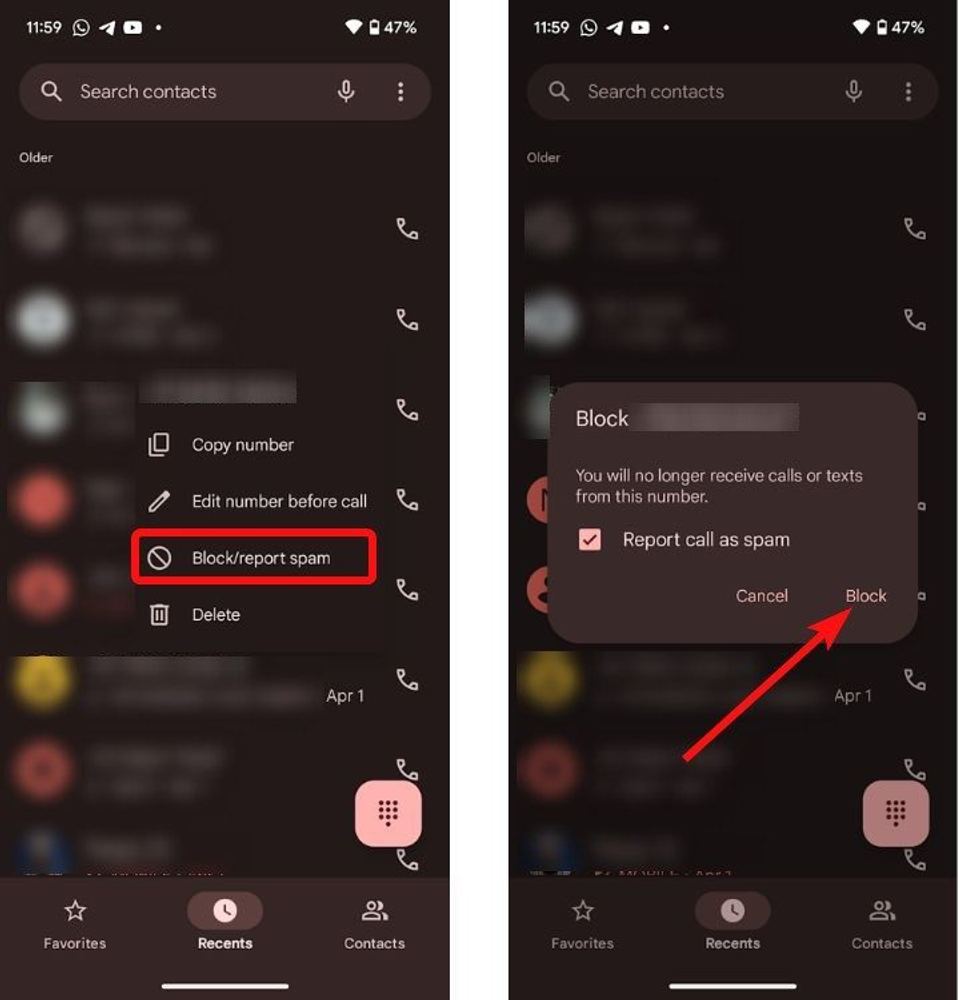
Report and reduce repeat calls. Contact your phone provider through its normal support channel and report suspected fraud to the relevant authorities in your country. Blocking a number may reduce calls from that number, but it cannot guarantee that callers using another number will stop.
Troubleshooting
The caller knows my name or other details
That does not verify their identity. End the call and check through the organisation’s independently sourced contact channel.
The number looks local or familiar
Treat it as unverified anyway. The number may be misused, or it may be genuine but used in a suspicious campaign. Ask the organisation to confirm the contact independently.
I already shared information or sent money
Contact your bank or payment provider promptly using a trusted number or app, explain what happened, and follow its advice. Change any exposed password using the service’s official site or app, and tell your phone provider if your number or account may be affected. Recovery is not guaranteed, and available options depend on what was shared, how payment was made, and how quickly you act.